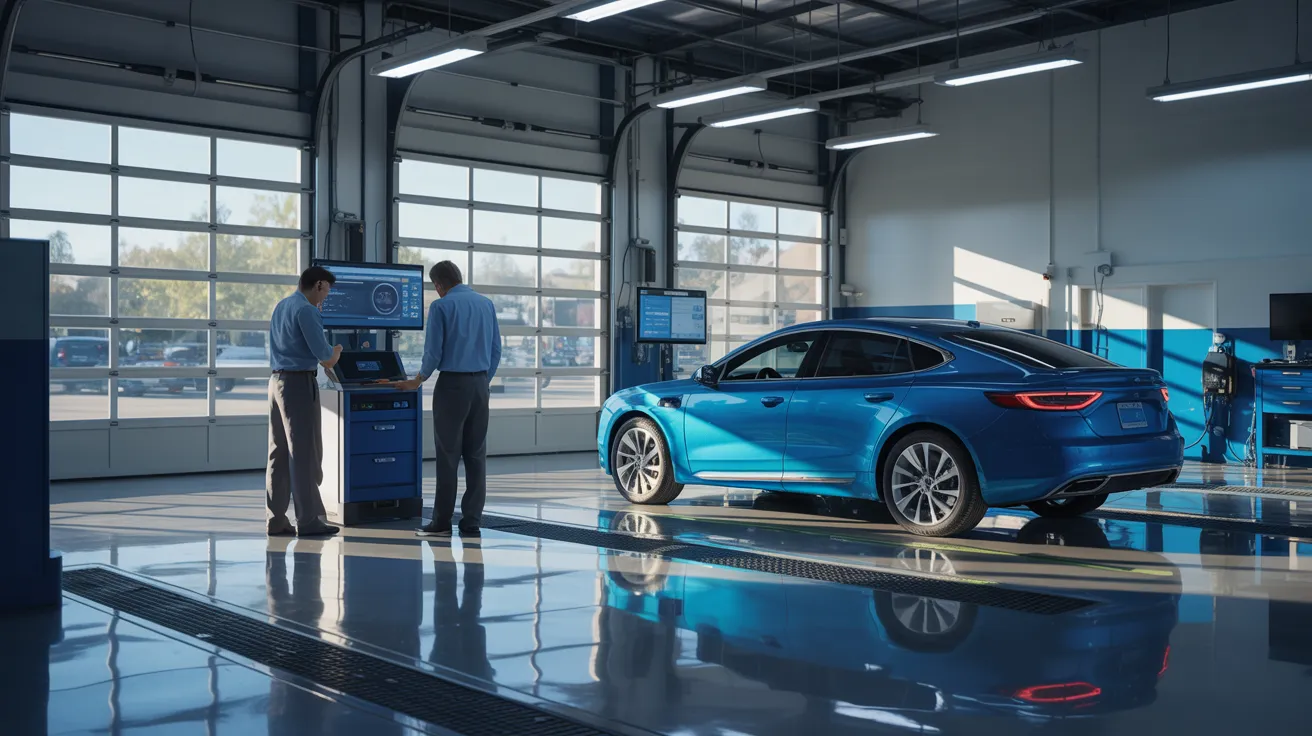
A reliable Plainfield auto repair shop uses OEM-grade scan tools, complies with OEM procedures, and logs faults with data, photos, and clear test results. Ensure technicians carry ASE certifications, describe warning lights and root causes precisely, and provide written estimates before work starts. Shops that evaluate brakes, tires, steering, suspension, cooling, and charging systems ought to be prioritized, especially after leaks, vibrations, or alerts. A small number of critical checks will reveal which shop deserves your confidence.
Critical Takeaways
- Choose Plainfield auto repair shops with ASE-certified technicians, current state licensing, and documented inspections using scan data, measurements, and photos.
- Mechanics who employ OEM-grade diagnostic tools and OEM procedures to confirm root causes and prevent unnecessary parts replacement ought to be prioritized.
- Obtain written estimates, explicit authorization steps, realistic timelines, and warranty terms before authorizing any repair work.
- Safety-critical issues should be addressed first, including brakes, tires, steering, suspension, warning lights, leaks, vibrations, and abnormal noises.
- Arrange routine inspections before long trips, after severe weather, or when performance, braking, handling, or fluid conditions clearly change.
Identifying a Trusted Plainfield Mechanic
When you're evaluating a Plainfield mechanic, initiate by verifying the shop's accreditations, assessment process, and correspondence standards.
You should validate ASE certifications, state licensing, and whether technicians document findings with scan data, metrics, and photos.
Reputable shops supply written estimates, transparent permission steps, and realistic completion timelines before work commences.
Look for Certified inspections that adhere to manufacturer guidelines rather than guesswork.
Anticipate accurate explanations of fault codes, root causes, and advised actions from your mechanic.
You can judge consistency, transparency, and follow-through through customer testimonials, specifically when reviews mention accurate diagnostics and honest updates.
A reliable mechanic will keep an organized facility, use calibrated equipment, and explain warranty terms in writing.
If a shop avoids specifics, pressures you, or alters pricing without approval, depart quickly.
Choose shops that record everything clearly.
What Auto Repair Services Are Important Most?
Make service types that immediately impact safety, drivability, and continuous operating cost your priority. You must prioritize first on brakes, tires, steering, and suspension because these systems determine stopping distance, traction, and vehicle stability. Suspension alignment matters significantly because faulty angles increase tire wear, decrease fuel economy, and impair handling under braking or cornering.
Second, handle engine diagnostics and transmission performance. Thorough engine diagnostics identify misfires, sensor faults, fuel-delivery problems, and emissions issues before they develop into catalytic converter or internal engine damage. You should also prioritize cooling system service, battery and charging checks, and fluid inspections. Overheating, voltage irregularities, and contaminated fluids can initiate pricey failures quickly. Last, never overlook warning lights, unusual noises, vibrations, or leaks. Early repair service usually costs less and preserves reliability, efficiency, and safety.
Reviewing Plainfield Automotive Service Facilities
Review each Plainfield car repair facility on inspection ability, service professional credentials, protection policies, and service standards before you decide on one. Confirm that the center employs factory-grade scan tools, current service documentation, and documented testing procedures versus guesswork. Inquire if service technicians hold ASE credentials and undergo ongoing training for advanced automotive systems, hybrids, and ADAS features.
Then evaluate how the shop describes findings, calculates labor, and approves supplemental work. You should receive detailed inspection outcomes, parts information, and honest turnaround timeframes. Examine customer reviews for consistency involving correctness, professionalism, and follow-up support rather than isolated accolades or complaints. Finally, compare warranty options carefully. Strong shops detail coverage duration, covered parts, labor compensation, and claim protocols in writing, so you have exactly what coverage you're getting before accepting repairs.
When Should You Book Auto Repair?
After you've compared Plainfield auto repair shops, the next step is determining the right time to schedule service.
You should schedule auto repair whenever your vehicle shows noticeable changes in performance, handling, braking, starting, or fluid condition.
Warning lights, vibration, strange noises, hard shifts, overheating, and constant odors indicate systems that need immediate evaluation.
You should also schedule routine inspections at manufacturer-recommended mileage intervals, before lengthy trips, after extreme weather exposure, and when seasonal temperature changes affect batteries, tires, or cooling systems.
If your car pulls, idles roughly, leaks, stalls, or loses fuel efficiency, don't delay for the concern to escalate.
Seek immediate diagnostics instantly after dashboard alerts, collision impact, abrupt power loss, smoke, or brake abnormalities.
Timely service helps corresponding information you copyright safety, reliability, drivability, and adherence with service schedules.
Financial Benefits With Plainfield Mechanics
Working with a skilled Plainfield mechanic allows you reduce your complete vehicle expenses through precise diagnostics, routine maintenance, and effective repairs. Unnecessary testing, unneeded parts replacement, and multiple visits are eliminated when technicians verify faults with scan tools, pressure testing, and manufacturer procedures. The real cause is located through diagnostic accuracy, whether it's a sensor failure, charging issue, or drivability problem.
Before wear becomes failure, preventive maintenance preserves expensive systems. You cut breakdown risk and extend component life when you keep on schedule for fluid exchanges, brake inspections, belt replacement, and tire service. Including leaks, uneven tire wear, and battery weakness, skilled mechanics identify developing problems early. That means you can schedule smaller repairs now instead of shelling out for major damage, towing, lost time, and emergency service later.
Questions Asked
Do Plainfield Mechanic Facilities Include Shuttle Service or Loaner Cars?
Yes, many Plainfield mechanics feature customer shuttles, and certain also supply loaner vehicles throughout your vehicle's repair. Always verify availability, reservation constraints, travel restrictions, insurance prerequisites, and eligibility before scheduling. Service shops usually keep loaner vehicles for substantial repairs or lengthy diagnostics, while courtesy transportation service commonly serves neighboring destinations only. If you want transportation, inquire about advance reservations, copyright verification, fuel policies, and turnaround time when scheduling service.
Can I Specify OEM Parts Instead of Aftermarket Replacements?
Absolutely—you can ask for OEM parts instead of aftermarket alternatives. Wise shoppers ask for OEM parts when you require precise fit, manufacturer-quality materials, and consistent performance. You should check availability, cost, and installation information prior to agreeing to repairs. Ask whether the parts come with a Manufacturer warranty and how that coverage differs from aftermarket options. You'll also want the estimate to explicitly list part type, brand, and warranty terms for comprehensive documentation.
Are Saturday or After-Hours Drop-Off Services Offered?
Yes, you can commonly utilize after hours keydrop and weekend concierge arrangements for extra ease. You'll typically secure your keys in a safe lockbox, note your vehicle needs, and authorize diagnostics or repairs beforehand. You should confirm cutoff times, pickup arrangements, and any safety requirements before visiting. If you prefer weekend concierge assistance, ask whether staff handle vehicle intake, updates, approvals, and final handoff outside regular business hours.
Do Repair Shops Supply Digital Inspection Reports With Photos?
Yes, many repair shops provide digital reports with photo documentation. You receive inspection results by text or email, and you can review technician notes, tracked values, and proposed repairs immediately. These digital reports enable you validate component state, compare urgency, and authorize work with confidence. You should expect clear images, documented discoveries, and honest estimates. If a shop doesn't supply photo documentation, you should ask how it confirms repair suggestions.
Can I Bring My Own Materials for Auto Repairs?
You can usually use your own parts for auto repairs—it's like bringing your own materials to a chef—but each service center's parts policy dictates whether they'll allow them. You should ask whether they accept owner supplied parts, because many shops cap warranties, reject labor guarantees, or reject critical safety parts. You'll ought to validate fitment, standard, and OEM compatibility before approving work, which enables you prevent delays, corrections, inspection failures, or added labor costs.
Closing Remarks
Selecting a dependable Plainfield service provider protects both your vehicle and your budget. AAA reports that U.S. drivers spend an average of $9,666 per year to run and operate a vehicle, so every repair decision matters. Comparing certifications, diagnostic expertise, service transparency, and maintenance timing allows you reduce the likelihood of repeat breakdowns and avoidable expenses. Book service before minor wear becomes major damage, and you'll keep your car safer, more reliable, and less expensive to maintain.